Monique Claiborne
Our Story

Monique
Claiborne.

Princeton alumna. Princeton Writing Center Fellow. Henry Luce Scholar. Brand Architect. Executive Coach. Former admissions interviewer. The through-line in all of it: helping people find what they are actually trying to say.

A Note From Monique

The industry found me.

I grew up in Opelousas, Louisiana, doing everything. Basketball, volleyball, softball, ballet, piano, pageants, mock trial, student council — my parents supported my curiosity in all of it. I loved every single one of these seemingly unrelated things, and I loved the wildly different communities I built as a result.

For a long time I thought that made me unfocused. I later realized it made me a connector. My superpower is building bridges between ideas, people, and experiences — even when the connection is not obvious. Especially when it is not obvious. Once I embraced being a multi-hyphenate thinker and doer, I stopped trying to fit into a box and started figuring out how to make the box irrelevant.

A mentor I met at Princeton had a name for it. He looked at my profile, my interests, my way of moving through the world, and said: you create categorical confusion. He meant it as the highest compliment. He could see that I resisted easy categorization — and he encouraged me to not only embrace that in myself, but to find it in others and help them see it too.

That became my thesis: everyone is a little weird and endlessly fascinating. They just might not know it yet. And that is what makes this process not only effective — it is genuinely fun.

I carried that into the Princeton Writing Center, where I spent three and a half years running writing consultations across every discipline — freshman seminars, senior theses, doctoral dissertations. I learned that writing problems are almost always thinking problems, and thinking problems almost always come down to the same thing: the person already has something brilliant inside their own thinking. They just cannot find it yet. My job was to ask better questions until we found it together.

That is still the job. I did not go looking for admissions consulting. It found me — in South Korea, on a Henry Luce Scholarship, surrounded by students who wanted to get into American universities. I realized I had something specific to offer: I had figured out how to get into six Top 20 universities from a city with limited resources, without a roadmap, without a consultant, without anyone who had done it before me. I had done it by knowing my own story and refusing to let it be ordinary. And I could teach that.

Before I left for Princeton, I was already helping younger students from my hometown navigate applications. Kids from Opelousas are not supposed to go to Ivy League schools. Nobody told them they could. I did. Some of them went. That is when I understood that this work was about helping someone see what was already there and refusing to let it stay invisible.

That is still what this is.
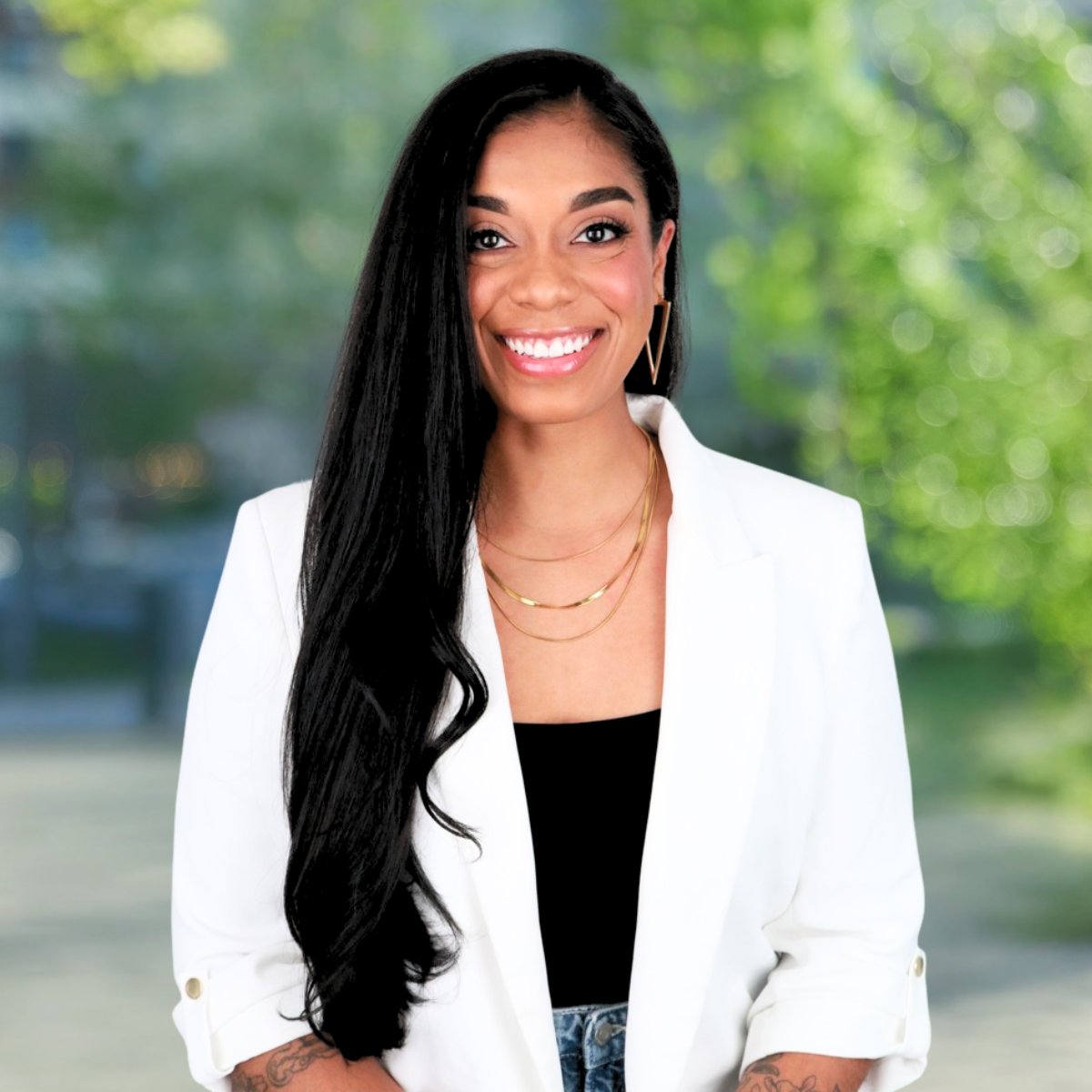
Her Own Path

Six T20 admits. From a city with limited resources.

Princeton. Penn. University of Chicago. Duke. Vanderbilt. Rice. Six Top 20 universities, plus Tulane — admitted to all of them from a small city in Louisiana, with nearly $200,000 in cumulative merit-based scholarships across every school that offers them.

No consultant. No private school pipeline. No family legacy at any of these institutions.

The University of Chicago admissions officer sent a personal email after reading the application essay — a piece about Where's Waldo. He said it was one of the essays he enjoyed passing around for the rest of the committee to read. It made them laugh. (It is genuinely one of the best things she has ever written — and yes, it was exactly as weird as the university's reputation would suggest.)

The head of Rice's School of Social Sciences called personally to offer the Presidential Scholarship — the university's highest distinction.

None of this happened because the application was impressive. It happened because it was interesting. There is a difference. That difference is what this whole methodology is built on.

The Executive Layer

The boardroom informed the classroom.

Alongside her consulting work, Monique operates as an Executive Coach and Chief of Staff for early-stage technology startups. This is where the brand strategy and executive coaching frameworks entered the methodology in a formal way.

The same diagnostic process she uses to help a founder clarify their positioning is the process she uses to help a student find their thesis. The same frameworks she uses to help an executive show up with a clear point of view are the frameworks she uses to help a student build a profile that demonstrates agency rather than performance. The work translates directly because the underlying question is the same in both contexts: who are you, what do you do that no one else does, and how do we make that impossible to miss.

That startup network also creates something unusual. When the right fit exists, Monique can connect students directly with internship opportunities through the founders and entrepreneurs she works with. These are deliberate introductions made because the student's thesis calls for exactly that kind of proof point.

The Philosophy
"I am not here to make your student look impressive. I am here to help them understand who they are. Then we build something that makes that impossible to overlook."
Monique Claiborne, Founder
Work With Monique

Let's find out what your
student is made of.

Claiborne & Co. takes a limited number of clients each year. The first conversation is about understanding your student. Everything else follows from there.

Book a Call
Campus